
Project Neutrals / “On-call” Neutrals: How They Can Help Avoid Disputes and What to Look For
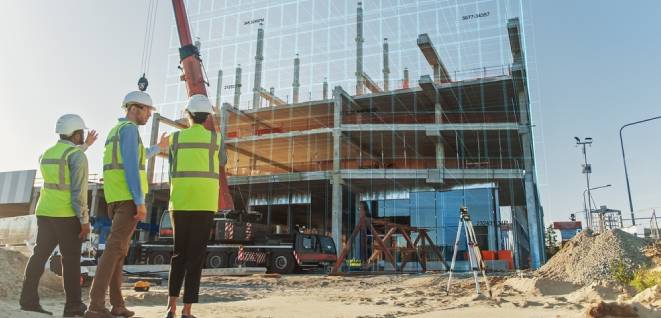
Construction projects rarely fail because one issue appears overnight. Payment questions, unclear drawings, delay notices, defect concerns, and change order friction often build until the project team stops solving problems and starts preserving claims. A project neutral, sometimes called an on-call neutral, is a mutually selected third party who stays available during the project to help owners, contractors, engineers, and design professionals address issues before positions harden. For Los Angeles construction professionals, early access can reduce disruption, which is why Construction ADR Services supports practical dispute prevention through focused ADR work.
If a project issue is already slowing decisions or threatening the schedule, review our ADR Services page and contact us today to discuss whether neutral involvement may fit the contract and dispute.
How a Project Neutral Works
A project neutral is not hired to run the job. The neutral does not replace the owner’s representative, architect, engineer, or contractor’s project manager. Instead, the neutral gives the parties a structured way to raise issues, exchange information, test positions, and receive informed feedback before a claim becomes mediation, arbitration, or litigation.
The American Arbitration Association describes dispute avoidance and resolution boards as neutral construction professionals created at the start of a project, with regular site visits or virtual meetings so concerns can be raised early. A single neutral can serve a similar purpose on smaller or mid-sized projects when the parties want faster access and a less formal process.
Why Early Neutral Input Can Prevent Claims
A well-timed neutral session can clarify what is actually in dispute. One side may see a design change, while another sees a contractor means and methods issue. One party may read a schedule update as proof of delay, while another sees missing owner decisions or late approvals. A construction mediator can help the group separate facts from assumptions and identify where the contract, drawings, correspondence, and job records point.
Early input also helps preserve working relationships. Construction is different from many commercial disputes because the parties may still need to finish the job together. When the neutral is available during performance, project leaders can address cost, time, or quality issues before a formal claim process begins.
What On Call Neutrals Can Do
The role should be defined in writing. Depending on the contract, an on-call neutral may facilitate meetings, review limited submissions, frame settlement talks, give nonbinding evaluations, or manage a step before formal ADR. The goal is a reliable channel when ordinary project communication is no longer enough.
In some matters, a construction arbitrator may later be needed for a binding decision, but earlier neutral work can narrow the issues. Even when the dispute does not fully resolve, the parties may leave with a cleaner record and a clearer view of what proof is missing.
What to Look For in a Project Neutral
Construction background matters. The neutral should be able to understand plans, specifications, payment applications, change directives, schedule logic, defect allegations, and the practical pressure of field work. The neutral should also be able to earn trust from both sides without turning the process into a trial.
The parties should ask about availability, communication rules, confidentiality, conflicts, fee structure, document review limits, and whether the neutral may later serve as mediator, evaluator, or arbitrator. Michael J. Bayard’s background, described on this bio page, reflects decades of construction law and full-time neutral work involving construction and real estate disputes.
How to Build the Role Into the Contract
The best time to add project neutral services is before construction starts. The contract can state when the neutral becomes involved, what documents may be submitted, who pays the fees, how quickly meetings must occur, and whether recommendations are advisory or binding only by later agreement. It can also address urgent issues, such as work stoppages, payment holds, access disputes, or claimed safety-related delays.
For California projects, the clause should fit the broader dispute resolution plan. Public and private projects may use different steps, and some contracts require mediation before arbitration.
When a Project Neutral May Not Be Enough
Some disputes need a formal process. Fraud allegations, major termination disputes, severe defect claims, or a refusal to share records may require mediation, arbitration, litigation, or court involvement. Still, early neutral work can help identify the right forum sooner.
A strong construction dispute resolution plan uses the right tool at the right stage. Neutral evaluation may give the parties a risk snapshot, mediation may support settlement, and arbitration may provide a final decision when settlement is not possible.
A Practical Way to Keep the Job Moving
Project neutrals are most useful when the parties want disciplined problem solving before conflict consumes the job. They give owners, contractors, and engineers a place to test claims, review records, and address schedule or cost issues while there is still room for a practical business result. Construction ADR Services works with construction professionals in California who need focused mediation, arbitration, or neutral evaluation support. If your project would benefit from a neutral voice before positions harden, contact us today.


